
SAN CLEMENTE, CA · COASTAL WINDOW CLEANING
Stubborn Window Stains San Clemente, CA
Diagnosis before treatment · Stage 2 calcium · Paint · Silicone · Rust · All stain types
☎ Call (949) 883-0250 — Same DayStubborn Window Stains in San Clemente — The Stain Type Determines the Treatment
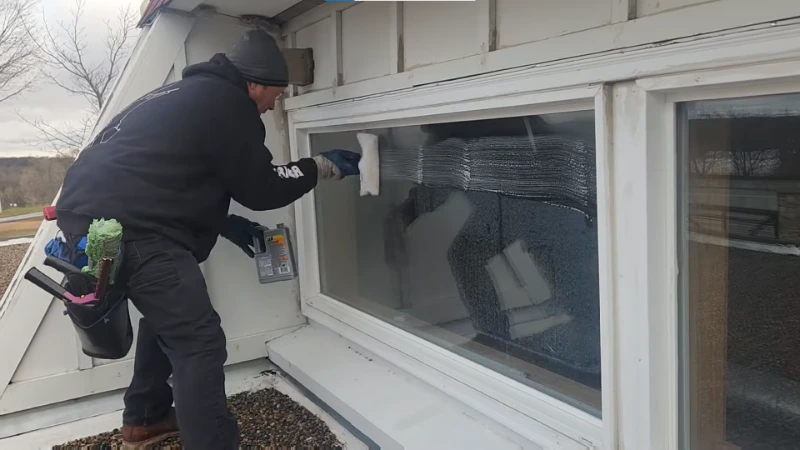
Stubborn window stains in San Clemente are not all the same chemistry. Stage 2 calcium carbonate from marine layer and irrigation sources requires low-acid chemistry. Silicone caulk overspray requires specific solvent treatment. Rust staining from corroded screens or metal fittings requires acid chemistry carefully calibrated to avoid glass surface interaction. Paint overspray requires wet-razor technique. Each type has a specific treatment — and the wrong treatment on the wrong stain type causes more damage than the stain itself.
We diagnose the stain type on arrival before recommending or starting any treatment. Stain chemistry determines treatment chemistry. If a stain cannot be removed without damaging the glass, we say so before starting — no charge for stains that cannot be safely treated. No guessing with consumer products that risk making the stain permanent.
Get a Free QuoteHOW IT WORKS
Our Stubborn Window Stain Treatment Process in San Clemente
Consistent process on every visit — no shortcuts on coastal glass.
Stain Type Identification
Stain type identified on arrival — mineral deposit (calcium or magnesium), rust (iron oxide), silicone overspray, paint overspray, adhesive residue, or chemical burn. Each type requires completely different treatment chemistry.
Severity Assessment
Stage assessment for mineral deposits (Stage 1, 2, or 3). Depth assessment for rust staining (surface or etched into glass). Coverage assessment for paint and silicone overspray. Glass type assessed for any treatment sensitivity.
Treatment Chemistry Selection
Appropriate chemistry selected for stain type — low-acid for calcium, phosphoric acid for rust (with glass-safe protocol), specific solvent for silicone and adhesive, and wet-razor technique for paint overspray. Chemistry confirmed before application.
Controlled Treatment Application
Treatment applied to stain area with appropriate contact time. Surrounding glass masked or shielded where chemical treatment is adjacent to frames or seals that would be damaged by the treatment chemistry.
Neutralisation and Assessment
Treatment neutralised after appropriate dwell time. Stain condition assessed — complete removal, partial improvement, or no change. If complete removal was not achieved, reason explained and next steps discussed.
Full Glass Clean on Completion
Full purified water glass clean on all treated glass after treatment is complete and neutralised. Ensures no treatment chemistry residue remains on glass before visit concludes.
WHY CHOOSE US
Why Stubborn Stain Removal in San Clemente Requires Diagnosis First
🔬
Wrong Chemistry Causes More Damage
Hydrochloric acid (commonly available) removes rust staining but etches glass surface chemistry and destroys silicone seals. Alkaline cleaners dissolve silicone overspray but react with glass surface at high pH. Diagnosis-first prevents converting a treatable stain into permanent glass damage.
⚗️
San Clemente Has Compound Staining
San Clemente glass frequently has more than one stain type simultaneously — mineral deposits combined with rust from corroded screen frames, or paint overspray on glass with existing Stage 2 calcium. Treatment must address all present types in the correct sequence.
🪒
Paint Requires Specific Technique
Paint overspray removal requires professional wet-razor technique — new blade, thoroughly wetted glass, correct angle, and glass type confirmation before starting. Consumer paint removal products frequently etch glass. Wrong blade angle or dry glass causes permanent scratching.
🔒
Honest No-Removal Assessment
Some stains cannot be removed without damaging the glass — Stage 3 etching, deep rust that has penetrated the glass surface, acid burns. We assess and advise honestly rather than attempt removal that cannot succeed. No charge for stains assessed as untreatable.
📋
Written Stain Assessment
Stain types identified, treatment recommended, results documented in writing. For insurance claims, contractor defect claims, or landlord-tenant disputes involving glass staining, written assessment with before documentation is useful.
🕐
Treatment Timing Matters
Fresh stains (under 48 hours) across most types are significantly more treatable than stains that have been on glass for weeks or months. Call us when you notice a new stubborn stain — earlier treatment produces better results and costs less.
FAQ
Stubborn Window Stains San Clemente — Questions
RELATED SERVICES
Related Services in San Clemente
Hard Water Stain Removal →
Stage 2 mineral treatment — dedicated service page with full detail.
Mineral Deposit Cleaning →
Marine layer and irrigation mineral deposits assessed and treated.
Post-Construction Cleaning →
Construction stains — paint, silicone, mortar, adhesive — all types addressed.
Residential Window Cleaning →
Regular cleaning prevents stubborn stains from developing. From $180.
CLIENT REVIEWS
Stubborn Window Stains San Clemente — Client Reviews
“Three types of staining on my oceanfront windows — mineral, rust from screen frames, and silicone overspray from recent work. They diagnosed all three, treated them in the correct sequence, and documented what was removed vs what was permanent. Exactly the organised approach needed.”
Andrew R.
Cyprus Shore, San Clemente
“Five years of irrigation hard water staining on my ground-floor front windows. Two companies said they could not help. These guys diagnosed it as Stage 2 (not yet Stage 3), treated it correctly, and the glass is clear. They were honest about which spots were further along and could not be treated.”
Catherine L.
Talega, San Clemente
“Rust staining from my window hardware that previous cleaners avoided touching. They applied the correct rust treatment protocol, removed it without damaging the glass, and replaced the rusting fittings that were the source. Complete solution.”
David M.
Forster Ranch, San Clemente
Book Stubborn Stain Treatment in San Clemente
Free diagnosis on arrival. Quote before treatment. No charge for untreatable stains.
More on Stubborn Window Stains in San Clemente
Stubborn window stains in San Clemente are more common than in inland cities because the coastal environment creates compound contamination — salt interacting with calcium, rust from salt-corroded metal fittings interacting with mineral deposits, construction activity adding silicone and paint to already-stained glass. The compound nature of many SC stains means treatment must address all components in the correct sequence.
We treat stubborn stains on all glass types throughout San Clemente — residential and commercial, standard annealed glass, tempered, laminated, tinted, and Low-E coated. Glass type is assessed before any treatment chemistry is selected. Free diagnosis on arrival on every stain treatment visit with full written assessment before treatment begins.